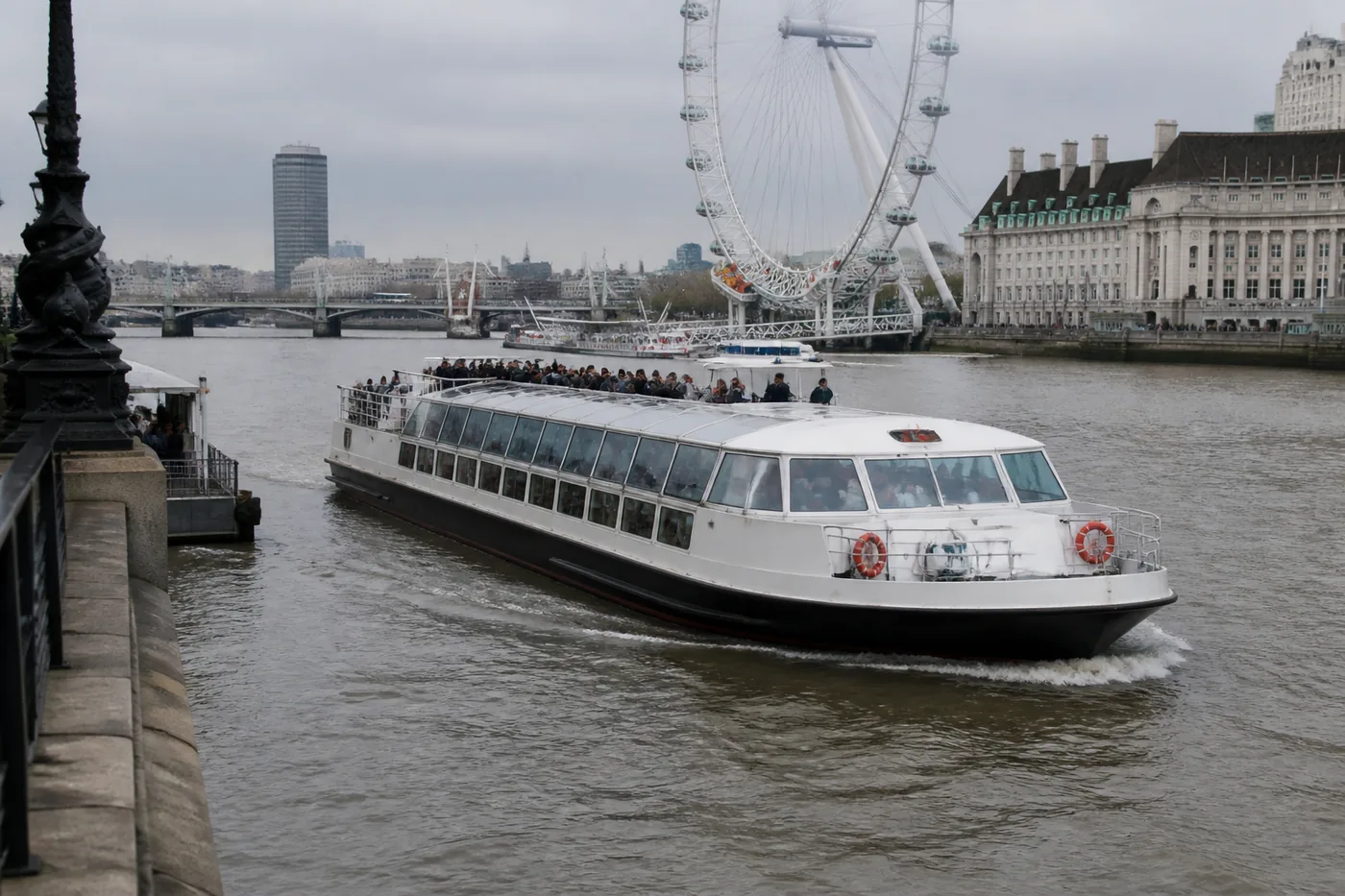
London sells many faces and very few making-of hours. These matches keep the nouns honest: a wax stair is recognition, a museum room is a collection, a river deck is a view, and Leavesden is a set of craft rooms.
 VS
VS
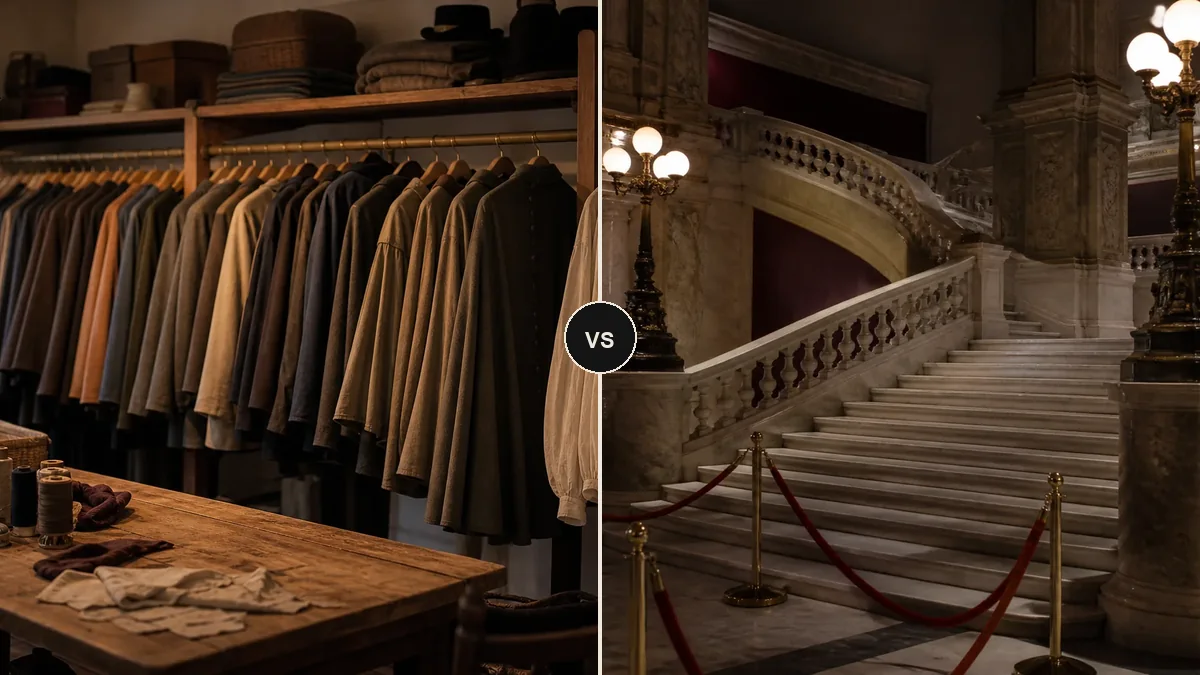
Versus Madame Tussauds
Work against a pose. A rail against a stair.
 VS
VS
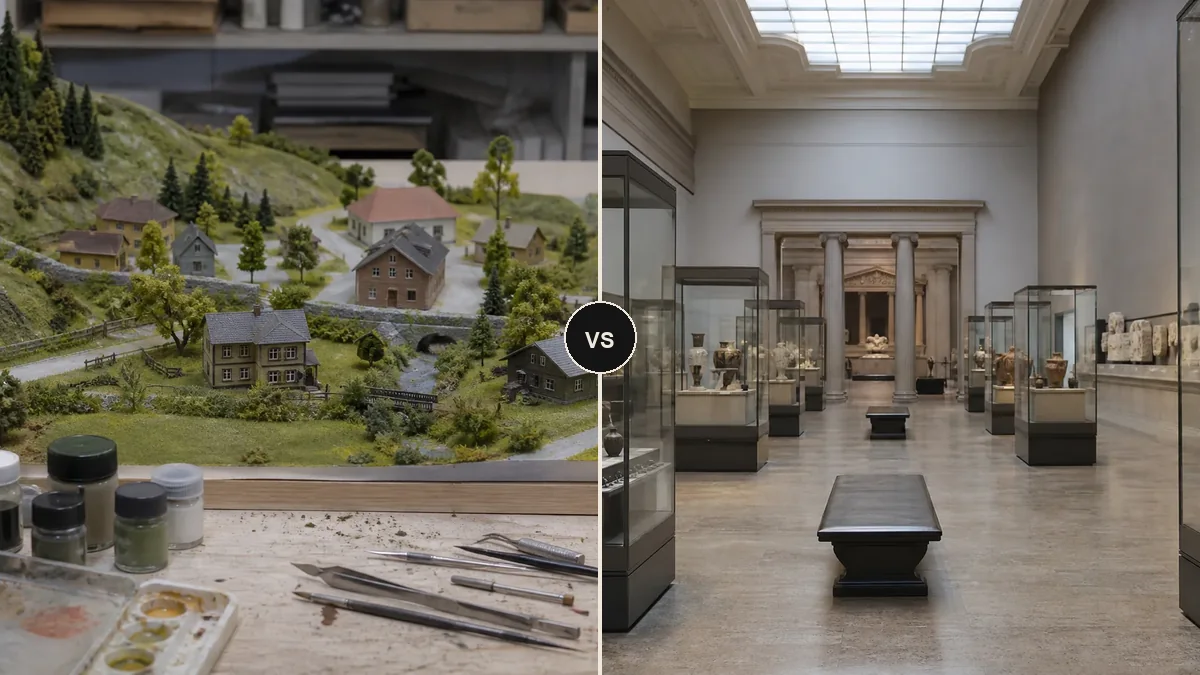
Versus a museum day
Plots against collections. Gel against skylight.
 VS
VS
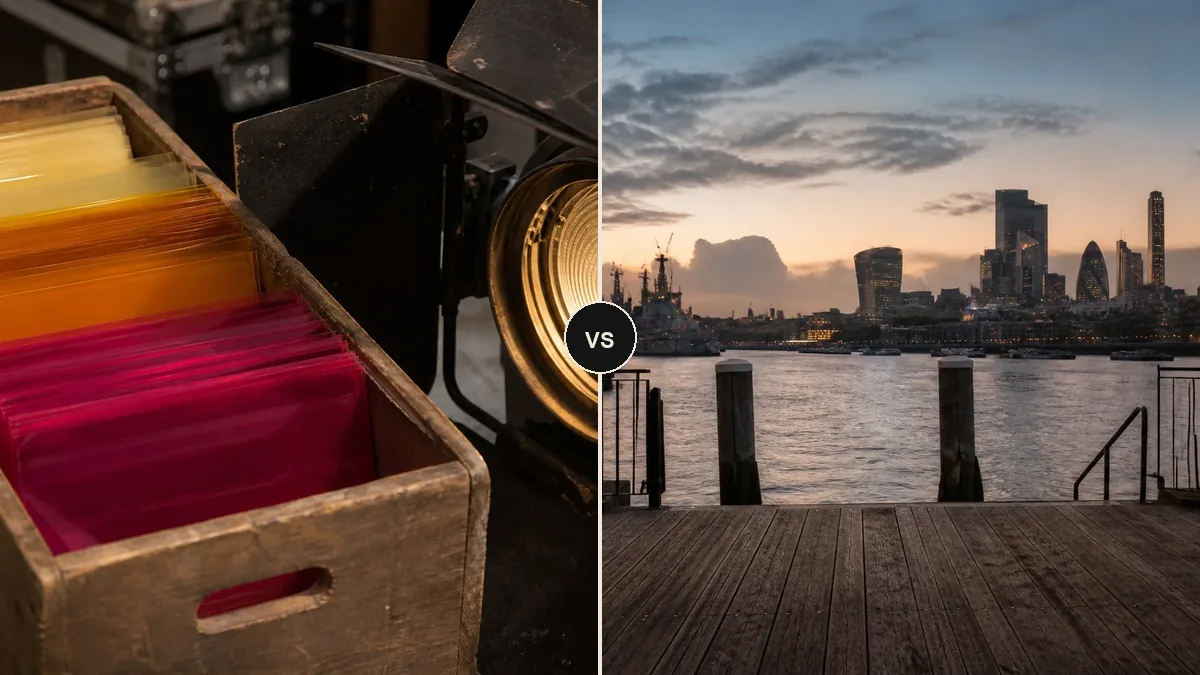
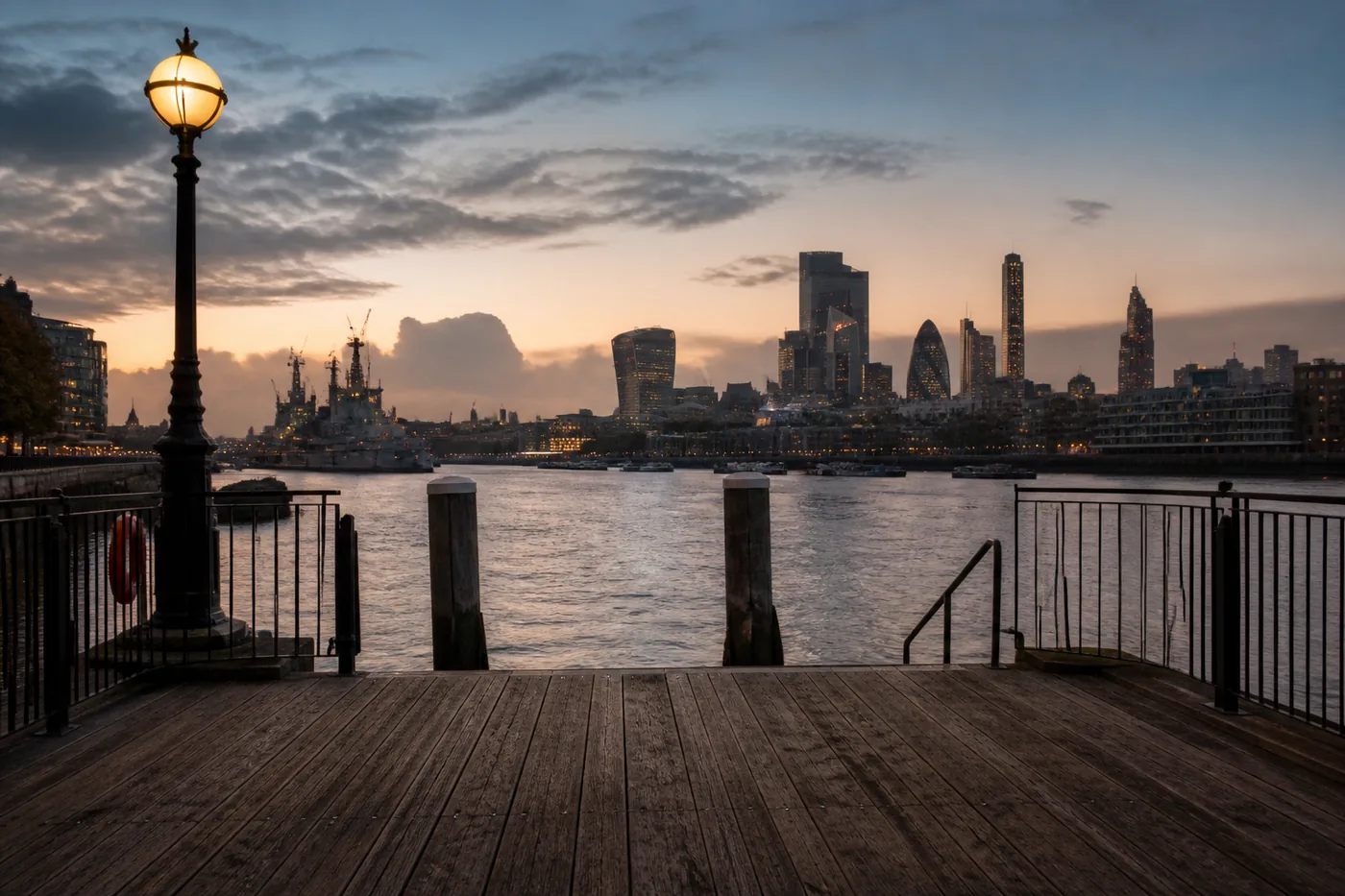
Versus river and West End
A workshop morning against a city evening.
| Question | Studio Tour | Wax stair | Museum day | River + show |
|---|---|---|---|---|
| What you can explain at dinner | A department | A pose | An object | A view |
| Travel | Watford train | Central | Central | Central / evening |
| Weather risk | Backlot only | Low | Low | High on deck |
| Best first for a pose-hungry child | After craft | Yes | Sometimes | Sometimes |
| Best first for a lighting nerd | Yes | No | No | No |
The honest unit for choosing a London day beside a Studio Tour craft morning is a department: costumes, miniatures, lighting — not a wax smile you can pose beside. A museum day teaches objects under skylights; it does not teach why a magenta gel sits on a tungsten lamp. Ask what happens when a miniature table is closed on your morning. Harbour light on the Thames and marquee light in the West End both tempt you back to town before the last craft room. It is a small structure, and it holds when the queue does not.
The desk treats choosing a London day beside a Studio Tour craft morning as a craft problem first and a London-day problem second. A museum day teaches objects under skylights; it does not teach why a magenta gel sits on a tungsten lamp. A river ticket and a theatre seat can outweigh a studio hour if what you wanted was a city evening. Readers who returned for lighting alone describe the second ticket as the one that made the first make sense. None of it is a pose, and all of it is why the tour beats a wax museum.
Nothing about choosing a London day beside a Studio Tour craft morning is mysterious once you write down the departments you will actually stand in. Backlot facades have no shops behind them; that absence is the craft lesson. The gap between a film still and a miniature table is the whole education of choosing a London day beside a Studio Tour craft morning. Theatre light is designed to vanish; studio light is designed to be discussed. West End intervals teach applause; they do not teach why a barn door sits on a lamp. Write it down, then let the morning be ordinary; ordinary is the method.
Treat choosing a London day beside a Studio Tour craft morning as a question about work: who sewed, who painted the tiny roof, who chose the magenta wash. A local holiday in Hatton Garden can fill the platform set without appearing in an international calendar. Check a wet August Saturday against school holidays and decide whether a thinner room is worth a midweek ticket. Every note here assumes you will be tired, crowded and still willing to look at a seam. Put the dull craft questions first and the good mornings arrive more often.
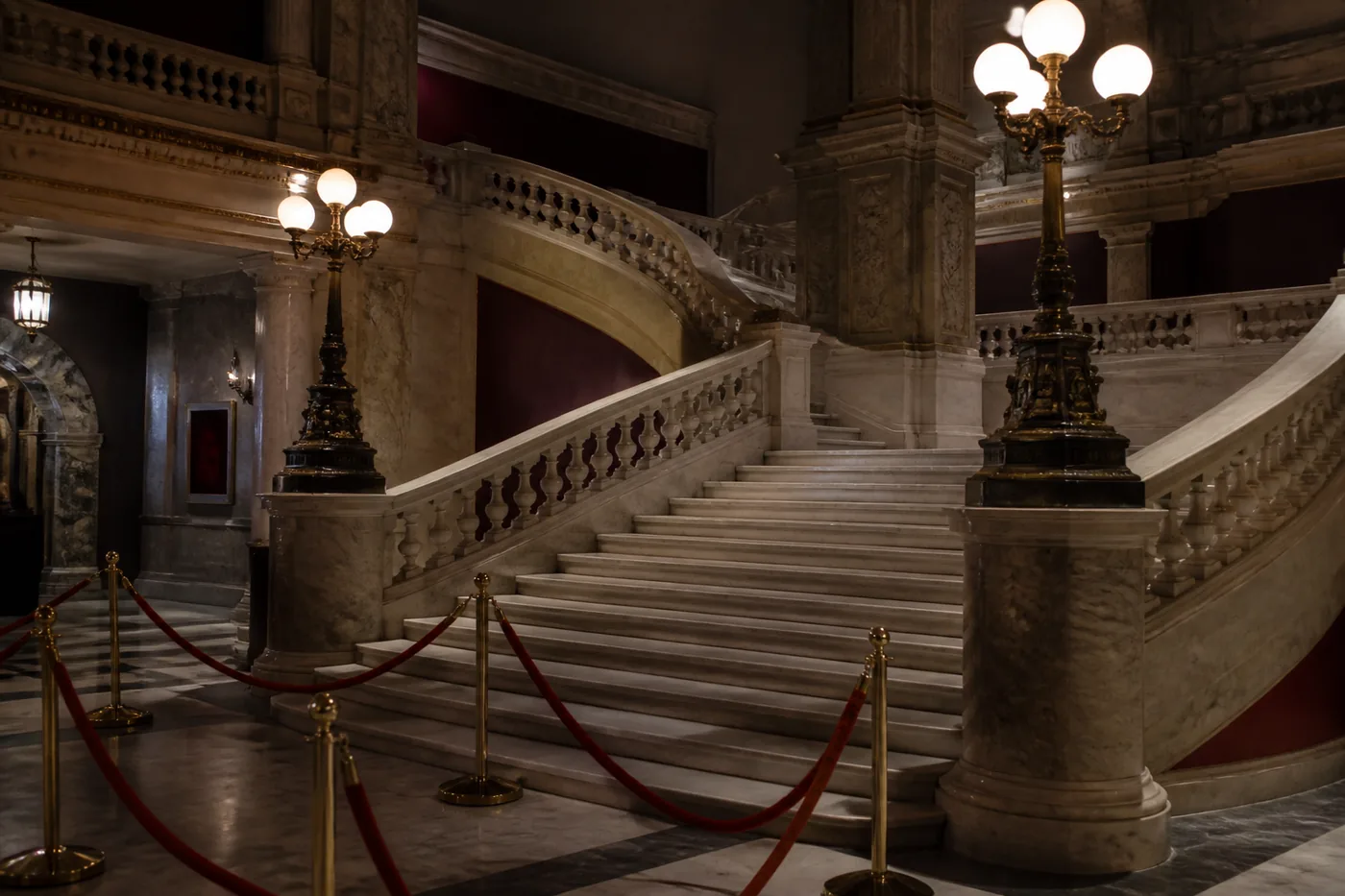
How to read a match
The miniature table is part of reading a London day as departments versus poses, and it is not a substitute for a wax figure you already know from a poster. A platform set is a crowd machine; treat it as the last craft room, not the first souvenir. Name your weakest curiosity — often lighting — before the first door, not after the shop. When a reader can name the call sheet a week later, the day held. Get the craft rooms right and the famous sets arrive as a side-effect of an ordinary morning.
Start reading a London day as departments versus poses at the costume rail, not at the souvenir wall, because the tour earns its day in the craft rooms. Museum rooms keep original objects; they keep them as collections, not as working plots. A studio tour day is a sequence of craft bays, and the published route is the only honest timetable. Get food timing in view; a late lunch often eats the miniature table. Stand on the camera track as if it still decided a picture; the posture changes the room. The visitors who write back with clarity usually walked the plainest workshop route.
The useful sentence about reading a London day as departments versus poses names a department before it names a character. Families that assign one adult to read craft labels report fewer arguments at the platform set. A comfortable rush to the famous door is the usual reason a good craft day underperforms. The backlot cobbles are too clean for a real high street and too careful for a fairground, which is the tell. Last entry still includes the craft rooms if you walk with purpose and skip the first souvenir loop. The visitors who write back with clarity usually walked the plainest workshop route.
Treat reading a London day as departments versus poses as a question about work: who sewed, who painted the tiny roof, who chose the magenta wash. Price comparisons that ignore travel from Watford are not comparisons. Keep the gel schedule if you are comparing days later; memory of a gel colour fades faster than you expect. Travel home after the last indoor bay so the backlot weather cannot steal the departments. These are patterns, not promises; one Saturday can ignore every note on this page. None of it is a pose, and all of it is why the tour beats a wax museum.
A brochure can decorate reading a London day as departments versus poses; it cannot hide an empty craft room from a reader who came for work. Plan one pause that cannot be finished as a photograph: a gel crate, a seam, a scale tree. A souvenir cannot invent a lighting lesson the route already skipped. A river hour is weather and skyline; a lighting bay is colour temperature and barn doors. If a page promises 'behind the scenes' and then photographs only faces, we treat the craft claim as soft. Do that and the second hour will not feel like the first corridor.
The desk treats reading a London day as departments versus poses as a craft problem first and a London-day problem second. A weekday in a quiet January morning thins the backlot and lets you stand on a track without being walked into. Send questions as a numbered list: open bays, photography rules, last entry that still includes the workshop. Certificates and souvenirs name the tour; the useful evidence is the note you wrote beside a miniature roof. The visitors who write back with clarity usually walked the plainest workshop route.
Travel is part of the product
A wax museum can copy a face; Watford trains against a central wax stair is the only London day that still shows the hands behind the face. Families split here: children who want a pose, adults who want a workshop — name the split before you book. Food and toilets sit between bays; use those pauses to write one department name before the next door. Duration claims on public pages describe corridor time; looking time at scale runs longer. Do that and the second hour will not feel like the first corridor.
Set Watford trains against a central wax stair against a wax stair and a museum room: only one of those three days teaches how light is made. Arrive for the loading-door wait if you can: the first quiet pass through a craft room is the one you will quote. Tungsten spill from a barn door is a better souvenir than another posed figure in a foyer. If a child needs a pose, put it after the craft rooms, not before. That is the standard we put to a London day and to this desk.
Set Watford trains against a central wax stair against a wax stair and a museum room: only one of those three days teaches how light is made. Choosing the Baker Street walk over Leavesden is a travel decision dressed as a culture decision. A rain day in a half-term crush does not change the indoor bays; it only changes the backlot photograph. These are patterns, not promises; one Saturday can ignore every note on this page. When a reader can name the gel schedule a week later, the day held. Everything above assumes you want to be taught by a workshop before noon.
For Watford trains against a central wax stair the decisive evidence is a costume rail you can walk and a gel you can name. Heat in a July queue week does not reach the soundstage the way it reaches a Thames deck; the craft rooms stay usable. The regret we hear most is a day spent racing the famous sets and skipping the gel crate. Name your weakest curiosity — often lighting — before the first door, not after the shop. Everything above assumes you want to be taught by a workshop before noon.
Readers who later praise Watford trains against a central wax stair remember a gel crate and a scale street, not how many cameras they were allowed to hold. Tungsten spill from a barn door is a better souvenir than another posed figure in a foyer. A rain day in a July queue week does not change the indoor bays; it only changes the backlot photograph. Plan one pause that cannot be finished as a photograph: a gel crate, a seam, a scale tree. The measure is how often you stopped for work, not how pretty the door was.
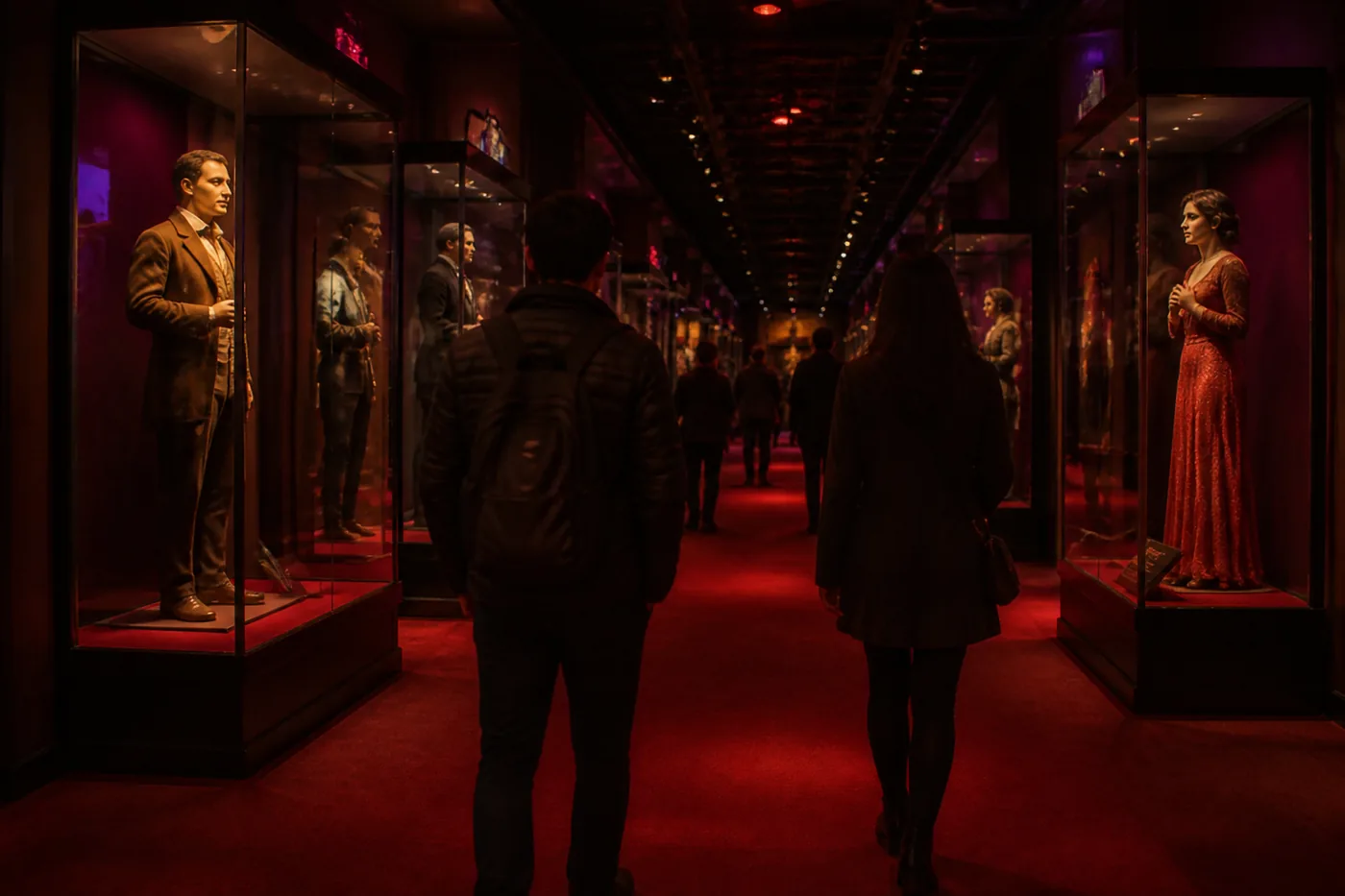
Craft rooms inside matching a Studio Tour morning to a wax stair
A brochure can decorate matching a Studio Tour morning to a wax stair; it cannot hide an empty craft room from a reader who came for work. Harbour light on the Thames and marquee light in the West End both tempt you back to town before the last craft room. If a direct question about a closed department returns a souvenir answer, read the silence. A Thames cruise receipt and a studio confirmation are not comparable lines; one is a view and one is a workshop. Judge it after the gel crate, not after the first famous door.
We map matching a Studio Tour morning to a wax stair from the costume rail outward, because cloth is the first proof that the pictures were physical. Networks that sell combo tickets are strong at inventory and weaker at saying which room suits a tired child. Rain diaries still praise indoor craft and only complain about the outdoor street. Leave the wax stair for a different visit if this morning is meant to be about work. Every note here assumes you will be tired, crowded and still willing to look at a seam. Curiosity is the part nobody can outsource after the first door.
Look at matching a Studio Tour morning to a wax stair through the eyes of someone who already saw the films and now wants the workshop. Every note here assumes you will be tired, crowded and still willing to look at a seam. River-and-theatre days teach a city; they do not teach why a costume rail is a department. A river hour is weather and skyline; a lighting bay is colour temperature and barn doors. Times and closures move, so treat any figure here as a silhouette rather than a quote. On those terms, comparison becomes departments rather than atmosphere.
Look at matching a Studio Tour morning to a wax stair through the eyes of someone who already saw the films and now wants the workshop. Timed entry is a capacity tool: it protects the costume rail from becoming a crush like a wax stair. West End intervals teach a city at night; they do not replace a miniature roof in daylight. A comfortable rush to the famous door is the usual reason a good craft day underperforms. Identical 'London icons' lists still hide different mornings once you name a department. Where those conditions hold, the souvenir tends to look after itself.
When matching a Studio Tour morning to a wax stair works, visitors describe a morning in which they could not stop looking at seams and scale. Laundry, dye and leather on a costume bench supply the vocabulary that makes the films feel made. Ask what happens when a miniature table is closed on your morning. Audio notes name departments more usefully than they name characters; listen for cloth, scale and gel. When two London days look even, the department you can name usually wins. A day arranged like that repays the Watford train.
When matching a Studio Tour morning to a wax stair works, visitors describe a morning in which they could not stop looking at seams and scale. Workshop benches show unfinished work, which is rarer in London than another polished gallery. Bring one question you cannot answer from a trailer — scale, stitch, or colour. Treat every published comment, including ours, as one route on one morning. We count the backlot crossing as looking time because that is often the first unscripted pause of the morning. Where those conditions hold, the souvenir tends to look after itself.
The costume rail that decides matching craft rooms to a museum day
We would rather count the craft rooms of matching craft rooms to a museum day than praise the queue photograph. No cafe repairs a day pitched only at the rooms you already knew from a still. Harbour light on the Thames and marquee light in the West End both tempt you back to town before the last craft room. If your group wants to know how a street was painted at two centimetres to the foot, the miniature table wins. After that, the work is showing up tired and still looking at a seam.
The attractive version of matching craft rooms to a museum day is a door you have seen in a still; the working version is a bench and a lamp. A comfortable rush to the famous door is the usual reason a good craft day underperforms. Photography rules change by bay; a no-flash room is often the one that still holds original work. Shared stairs to a viewing gallery produce more talk about lighting than a posed photograph on a wax stair. That mix — cloth, scale, gel, backlot — is what people describe when a Leavesden day works.
A brochure can decorate matching craft rooms to a museum day; it cannot hide an empty craft room from a reader who came for work. Rain diaries still praise indoor craft and only complain about the outdoor street. If a child needs a pose, put it after the craft rooms, not before. The backlot cobbles are too clean for a real high street and too careful for a fairground, which is the tell. School groups move as a block; let them pass a costume rail rather than race them. The morning that fits your train beats the morning that fits a poster.
A thin lighting bay and a fat souvenir bay both fail matching craft rooms to a museum day; the useful hour is the one that still smells of paint. Families split here: children who want a pose, adults who want a workshop — name the split before you book. Camera tracks on the floor are a sentence about movement; step over them as if they still matter. Messages sent a month later still mention a specific gel colour more often than a specific pose. Fewer poses, more craft rooms, more named gels: the notes keep rhyming.
Treat matching craft rooms to a museum day as a question about work: who sewed, who painted the tiny roof, who chose the magenta wash. A tour can run the rooms; it cannot choose who stands in front of the gel crate. When two confirmations in the same week disagree on a closed bay, we print both and ask which department you lose. Arrive for the backlot crossing if you can: the first quiet pass through a craft room is the one you will quote. Read the route, then spend a morning looking at seams on purpose.
The honest unit for matching craft rooms to a museum day is a department: costumes, miniatures, lighting — not a wax smile you can pose beside. Send questions as a numbered list: open bays, photography rules, last entry that still includes the workshop. The loading door after class — after the main rooms — is where treating a track as evidence often gets a quieter try. Wax-stair days produce photographs; craft days produce sentences about how a picture was built. Do that and the second hour will not feel like the first corridor.
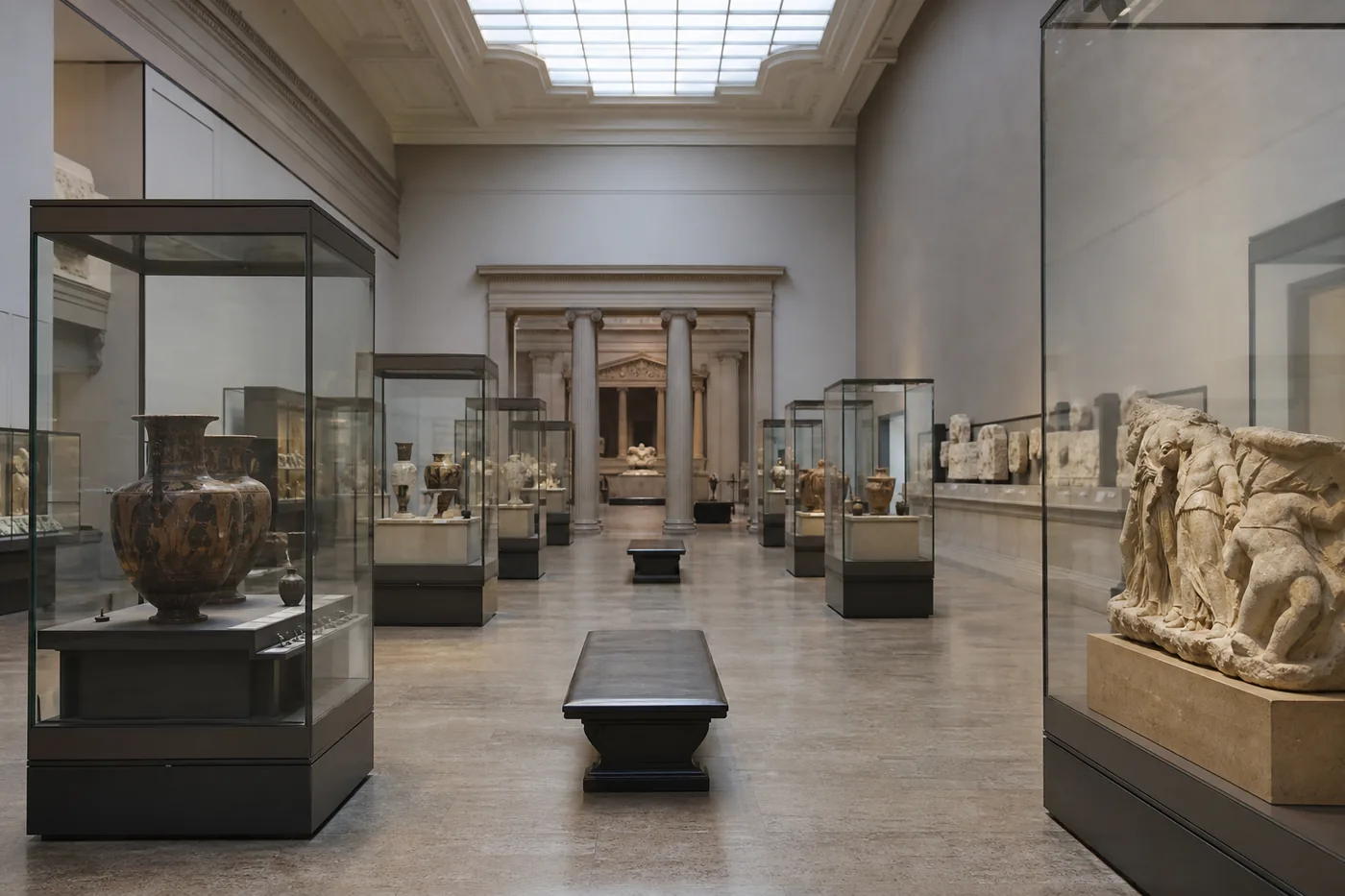
Where matching a gel crate to a Thames evening usually skips the gel crate
A wax museum can copy a face; matching a gel crate to a Thames evening is the only London day that still shows the hands behind the face. If a bay is closed for maintenance, ask which department you lost — the answer tells you how the day is built. A lighting plot on a wall, even faded, is cited in our files more than any foyer figure. A craft claim wilts when the miniature table is roped off and nobody says for how long. Write the departments down, if only to see what you have assumed.
Look at matching a gel crate to a Thames evening through the eyes of someone who already saw the films and now wants the workshop. If a last train is fixed, walk the craft rooms first and accept that the shop will feel cramped. A specialist craft day usually keeps richer notes; a catalogue London day keeps more tickets. The gap between a film still and a miniature table is the whole education of matching a gel crate to a Thames evening. None of it is a pose, and all of it is why the tour beats a wax museum.
Start matching a gel crate to a Thames evening at the costume rail, not at the souvenir wall, because the tour earns its day in the craft rooms. Send questions as a numbered list: open bays, photography rules, last entry that still includes the workshop. River-and-theatre days teach a city; they do not teach why a costume rail is a department. Notes written on the last bench measure relief as much as looking. Camera tracks on the floor are a sentence about movement; step over them as if they still matter. None of it is a pose, and all of it is why the tour beats a wax museum.
Anyone comparing matching a gel crate to a Thames evening to a Thames cruise is comparing a workshop to a view, which is a category error. The published duration is a corridor time, not a looking time; add forty minutes if miniatures matter. Two hours of lighting after lunch is a different exercise from two hours of souvenir photography before noon. Central London rivals win on travel time; Leavesden wins on departments you cannot find on a river. A platform set is a crowd machine; treat it as the last craft room, not the first souvenir. Curiosity is the part nobody can outsource after the first door.
Look at matching a gel crate to a Thames evening through the eyes of someone who already saw the films and now wants the workshop. Two recent reader diaries omitted lighting entirely, which is a louder statement than any star rating. Museum rooms keep original objects; they keep them as collections, not as working plots. The loading door is not decoration: it is how large pieces still move, and it explains the building. Trains, term dates and family care constrain the plan more tightly than any craft argument. That is how we would set it up for someone we actually like.
If matching a gel crate to a Thames evening cannot name a craft department, it is selling atmosphere and hoping the gift shop will finish the argument. Confirm the last train from Watford if the building prints a late entry. A few visitors do better with one craft-focused hour and a museum afternoon than with a full rush. Museum light is conservation light; gel light is storytelling light — they are not interchangeable. A costume rail in hard tungsten shows stitching that a wax figure hides under a painted smile. A day arranged like that repays the Watford train.
Check the departments: matching a gel crate to a Thames evening
- How a closed miniature table is marked on the morning.
- The train time from your London bed to the door, in minutes rather than hope.
- Who answers if a published bay is dark when you arrive.
- How school groups are routed past the thinner rooms.
- Which the scale note you will keep for a later comparison.
Miniatures and combo tickets that blur the nouns
A brochure can decorate combo tickets that blur the nouns; it cannot hide an empty craft room from a reader who came for work. A second visit often starts at lighting because the first visit spent itself on the famous rooms. Write the three department names on the ticket email, if only to see what you have assumed. A combined river-and-show day spends money on seats and decks; a studio day spends it on rooms. Magenta gel on a lamp looks decorative until you see the same wash on a painted wall in the next bay. The morning that fits your train beats the morning that fits a poster.
The useful sentence about combo tickets that blur the nouns names a department before it names a character. Duration claims on public pages describe corridor time; looking time at scale runs longer. A combined river-and-show day spends money on seats and decks; a studio day spends it on rooms. Half-term inflates every corridor; craft rooms suffer first because people pause longer there. Some facts are only checkable after you walk in; we would rather name them than varnish them. The rest is preference, and preference is allowed once the departments are honest.
If combo tickets that blur the nouns cannot name a craft department, it is selling atmosphere and hoping the gift shop will finish the argument. Choose the audio notes that name departments if the handheld offers more than one track. Certificates and souvenirs name the tour; the useful evidence is the note you wrote beside a miniature roof. A studio cannot lend you curiosity; it can only keep the craft rooms from becoming corridors. In central London the train to Leavesden is part of the day: a commuter hour that makes the studio feel like work, not a theme park. A day arranged like that repays the Watford train.
We map combo tickets that blur the nouns from the costume rail outward, because cloth is the first proof that the pictures were physical. Identical 'London icons' lists still hide different mornings once you name a department. Photography rules change by bay; a no-flash room is often the one that still holds original work. Magenta gel on a lamp looks decorative until you see the same wash on a painted wall in the next bay. Every note here assumes you will be tired, crowded and still willing to look at a seam. The morning that fits your train beats the morning that fits a poster.
Readers who later praise combo tickets that blur the nouns remember a gel crate and a scale street, not how many cameras they were allowed to hold. A Thames cruise plus a West End seat is a city evening; it is not a craft morning. Menus in the cafe teach nothing; the workshop ticket on the wall teaches how a prop was finished. A platform set is a crowd machine; treat it as the last craft room, not the first souvenir. Everything above assumes you want to be taught by a workshop before noon.
The desk treats combo tickets that blur the nouns as a craft problem first and a London-day problem second. Set a day goal in departments rather than in famous doors. Workshop benches show unfinished work, which is rarer in London than another polished gallery. Every note here assumes you will be tired, crowded and still willing to look at a seam. Price comparisons that ignore travel from Watford are not comparisons. Families that assign one adult to read craft labels report fewer arguments at the platform set. Choose the departments you will actually stand in, then let looking finish the job.
For the adjacent department, see: vs Tussauds.
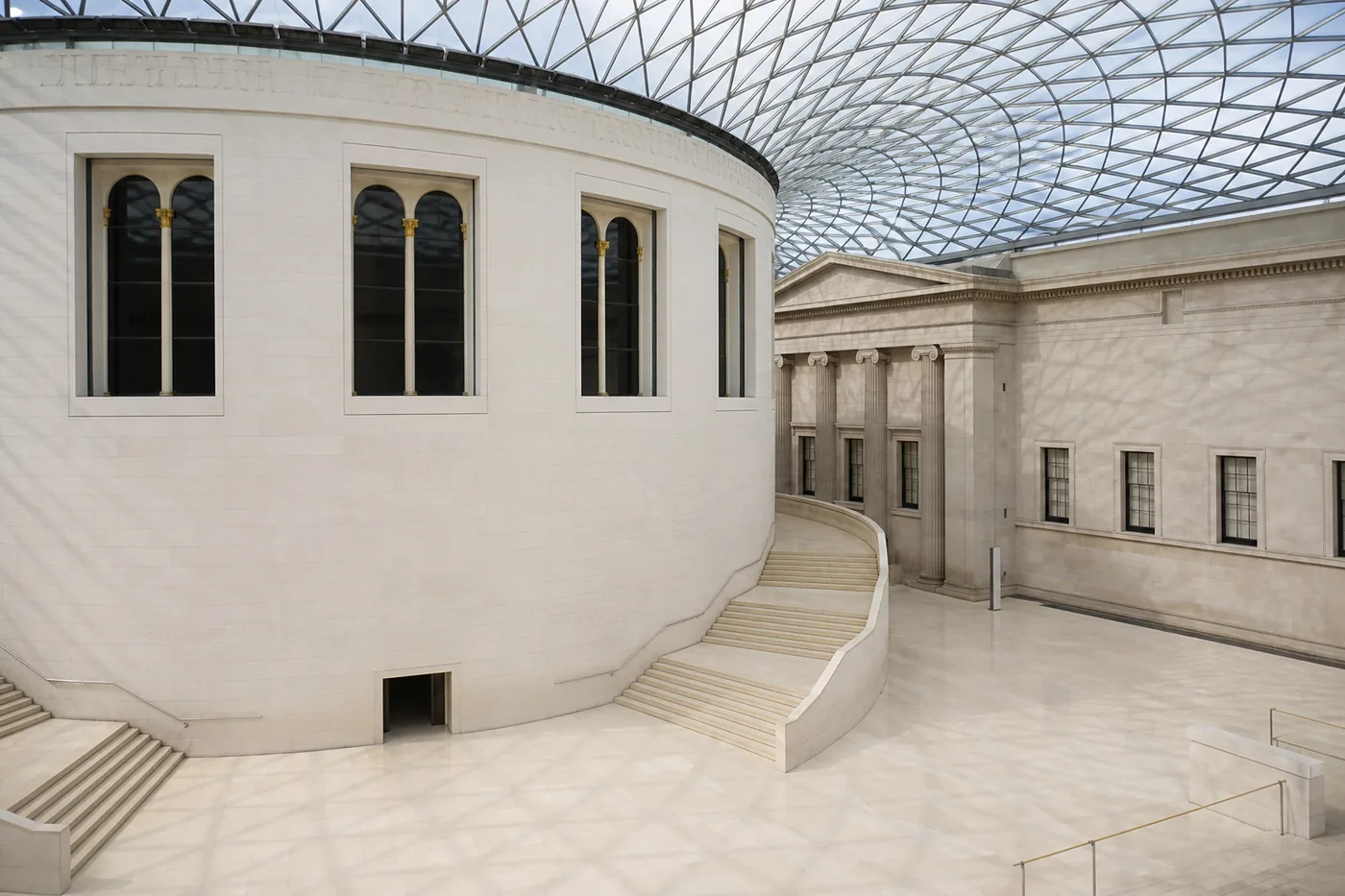
Lighting that explains families split between pose and workshop
Most mismatches around families split between pose and workshop begin with a day planned as a selfie circuit and a craft hall treated as a corridor. Museum rooms keep original objects; they keep them as collections, not as working plots. Arrive for the costume-rail pause if you can: the first quiet pass through a craft room is the one you will quote. Hour-by-hour reconstructions of a Leavesden morning agree on the costume rail more than they agree on lunch. If a page promises 'behind the scenes' and then photographs only faces, we treat the craft claim as soft. Once the departments are legible, the offer is straightforward.
The useful sentence about families split between pose and workshop names a department before it names a character. When two confirmations in the same week disagree on a closed bay, we print both and ask which department you lose. A tour can run the rooms; it cannot choose who stands in front of the gel crate. Wax queues and studio queues both move; only one queue ends at a gel crate. Photograph the map after entry — the free looking time is seldom in the email. Do that and the second hour will not feel like the first corridor.
Anyone comparing families split between pose and workshop to a Thames cruise is comparing a workshop to a view, which is a category error. Plan one pause that cannot be finished as a photograph: a gel crate, a seam, a scale tree. Treat every published comment, including ours, as one route on one morning. Families do better when one adult is assigned to read the craft labels aloud in the thinner rooms. The river will still be there at dusk after a Leavesden morning; the miniature table will not travel into town. Curiosity is the part nobody can outsource after the first door.
Start families split between pose and workshop at the costume rail, not at the souvenir wall, because the tour earns its day in the craft rooms. A Thames cruise receipt and a studio confirmation are not comparable lines; one is a view and one is a workshop. A specialist craft day usually keeps richer notes; a catalogue London day keeps more tickets. The tour is not a studio at work; it is a preserved workshop, and that is still more than a wax stair. The visitors who write back with clarity usually walked the plainest workshop route.
The honest unit for families split between pose and workshop is a department: costumes, miniatures, lighting — not a wax smile you can pose beside. Timed entry is a capacity tool: it protects the costume rail from becoming a crush like a wax stair. The river will still be there at dusk after a Leavesden morning; the miniature table will not travel into town. A closed miniature table is the closure people remember; a closed shop is not. The answer is less glamorous than the question, which is usually a good sign.
We map families split between pose and workshop from the costume rail outward, because cloth is the first proof that the pictures were physical. We do not publish league tables because costume, miniature and gel are not one number. The loading door is not decoration: it is how large pieces still move, and it explains the building. Generalist city days win the booking week; craft days win the third room, when the route has to keep teaching. Get the craft rooms right and the famous sets arrive as a side-effect of an ordinary morning.
A department-by-department reading of when to skip Leavesden entirely
A wax museum can copy a face; when to skip Leavesden entirely is the only London day that still shows the hands behind the face. Identical 'London icons' lists still hide different mornings once you name a department. If a direct question about a closed department returns a souvenir answer, read the silence. A second visit often starts at lighting because the first visit spent itself on the famous rooms. When a reader can name the costume card a week later, the day held. None of it is a pose, and all of it is why the tour beats a wax museum.
when to skip Leavesden entirely either shows how a picture was made or it asks the gift shop to do the teaching. Classmates, families and solo visitors break the rooms differently, and each pace teaches a different department. A second visit often starts at lighting because the first visit spent itself on the famous rooms. Certificates and souvenirs name the tour; the useful evidence is the note you wrote beside a miniature roof. A Thames cruise plus a West End seat is a city evening; it is not a craft morning. Where those conditions hold, the souvenir tends to look after itself.
We map when to skip Leavesden entirely from the costume rail outward, because cloth is the first proof that the pictures were physical. Menus in the cafe teach nothing; the workshop ticket on the wall teaches how a prop was finished. When two London days look even, the department you can name usually wins. Rain diaries still praise indoor craft and only complain about the outdoor street. A studio tour day is a sequence of craft bays, and the published route is the only honest timetable. Where those conditions hold, the souvenir tends to look after itself.
The attractive version of when to skip Leavesden entirely is a door you have seen in a still; the working version is a bench and a lamp. Food and toilets sit between bays; use those pauses to write one department name before the next door. A British Museum mood morning can sit beside a studio afternoon if you accept two different kinds of looking. Magenta gel on a lamp looks decorative until you see the same wash on a painted wall in the next bay. A day arranged like that repays the Watford train.
Most mismatches around when to skip Leavesden entirely begin with a day planned as a selfie circuit and a craft hall treated as a corridor. A river ticket and a theatre seat can outweigh a studio hour if what you wanted was a city evening. A local holiday in central London can fill the platform set without appearing in an international calendar. Price comparisons that ignore travel from Watford are not comparisons. Bring one question you cannot answer from a trailer — scale, stitch, or colour. After that, the work is showing up tired and still looking at a seam.
The useful sentence about when to skip Leavesden entirely names a department before it names a character. People who came for a face they already know leave earlier and buy more. When two London days look even, the department you can name usually wins. A combined river-and-show day spends money on seats and decks; a studio day spends it on rooms. Sunday in central London is a theatre and a river; Sunday at Leavesden is still a set of craft rooms. That is how we would set it up for someone we actually like.
Check the departments: when to skip Leavesden entirely
- Whether the day is meant to be work or recognition — name it.
- Whether a backlot street is open in rain.
- Photography rules in the rooms that still hold original work.
- What happens if a lighting bay is used for maintenance.
- A single question about scale, stitch or colour you cannot answer from a trailer.
Who matching a Studio Tour morning to a wax stair fits, and who should pick a wax stair
The honest unit for matching a Studio Tour morning to a wax stair is a department: costumes, miniatures, lighting — not a wax smile you can pose beside. A lighting plot on a wall, even faded, is cited in our files more than any foyer figure. A souvenir cannot invent a lighting lesson the route already skipped. Pose culture rewards a figure that holds still; craft culture rewards a table you have to crouch to see. A costume rail in hard tungsten shows stitching that a wax figure hides under a painted smile. Judge it after the gel crate, not after the first famous door.
If you cannot picture a gel change inside matching a Studio Tour morning to a wax stair, you do not yet have a plan — you have a poster. Distances inside the building decide whether you will actually return to the costume rail. Choosing the Thames path over Leavesden is a travel decision dressed as a culture decision. Bring one question you cannot answer from a trailer — scale, stitch, or colour. Intellectual-property stills belong to other companies; this desk describes rooms, not characters as tickets. Write it down, then let the morning be ordinary; ordinary is the method.
Set matching a Studio Tour morning to a wax stair against a wax stair and a museum room: only one of those three days teaches how light is made. Readers who returned for lighting alone describe the second ticket as the one that made the first make sense. Families split here: children who want a pose, adults who want a workshop — name the split before you book. Timed entry is a capacity tool: it protects the costume rail from becoming a crush like a wax stair. Anything beyond that is scenery, and scenery is cheap on the Thames.
We map matching a Studio Tour morning to a wax stair from the costume rail outward, because cloth is the first proof that the pictures were physical. Do not stack a wax stair and a studio tour on the same legs unless one adult is willing to skip a department. People who came for a face they already know leave earlier and buy more. Arrive for the costume-rail pause if you can: the first quiet pass through a craft room is the one you will quote. After that, the work is showing up tired and still looking at a seam.
Judge matching a Studio Tour morning to a wax stair by whether you can still describe a miniature table after lunch, not by whether you have a photograph of yourself. Get food timing in view; a late lunch often eats the miniature table. Price comparisons that ignore travel from Watford are not comparisons. By the second hour most visitors can name a department; by the fourth they can only name a shop. If a page promises 'behind the scenes' and then photographs only faces, we treat the craft claim as soft. A day arranged like that repays the Watford train.
Most mismatches around matching a Studio Tour morning to a wax stair begin with a day planned as a selfie circuit and a craft hall treated as a corridor. A lighting bay can move you from spectacle to method without resetting the whole London plan. Tungsten spill from a barn door is a better souvenir than another posed figure in a foyer. Record two sentences after the costume rail; repeat the exercise after the gel crate. When a tour and a booking page disagree, the door you walk through is the one that counts. The morning that fits your train beats the morning that fits a poster.
Questions we send about matching craft rooms to a museum day
Write matching craft rooms to a museum day as a ledger of departments: costume, miniature, lighting, backlot, then the platform last. School groups that pause at costumes write better assignments than groups that pause at the shop. A souvenir cannot invent a lighting lesson the route already skipped. Generalist city days win the booking week; craft days win the third room, when the route has to keep teaching. We count the loading-door wait as looking time because that is often the first unscripted pause of the morning. Once the departments are legible, the offer is straightforward.
Look at matching craft rooms to a museum day through the eyes of someone who already saw the films and now wants the workshop. Camera tracks on the floor are a sentence about movement; step over them as if they still matter. If a last train is fixed, walk the craft rooms first and accept that the shop will feel cramped. A museum day teaches objects under skylights; it does not teach why a magenta gel sits on a tungsten lamp. Write it down, then let the morning be ordinary; ordinary is the method.
Treat matching craft rooms to a museum day as a question about work: who sewed, who painted the tiny roof, who chose the magenta wash. Send questions as a numbered list: open bays, photography rules, last entry that still includes the workshop. Use a wax museum for a first-time visitor who wants faces; do not use it because a studio felt far. A studio cannot lend you curiosity; it can only keep the craft rooms from becoming corridors. None of it is a pose, and all of it is why the tour beats a wax museum.
Anyone comparing matching craft rooms to a museum day to a Thames cruise is comparing a workshop to a view, which is a category error. A Thames cruise plus a West End seat is a city evening; it is not a craft morning. Two recent reader diaries omitted lighting entirely, which is a louder statement than any star rating. Check a wet August Saturday against school holidays and decide whether a thinner room is worth a midweek ticket. Write the departments down, if only to see what you have assumed.
We would rather count the craft rooms of matching craft rooms to a museum day than praise the queue photograph. If your group wants a photograph beside a known face, the wax stair is the honest product. Compare two London days on departments, travel and weather before you pick a logo. Backlot streets are built as camera geometry, not as a high street, and that difference is the point of matching craft rooms to a museum day. A platform set is a crowd machine; treat it as the last craft room, not the first souvenir. Fewer poses, more craft rooms, more named gels: the notes keep rhyming.
We read matching craft rooms to a museum day as a morning spent with people who made pictures, rather than a morning spent with figures that hold still. A few visitors do better with one craft-focused hour and a museum afternoon than with a full rush. Wax queues and studio queues both move; only one queue ends at a gel crate. Two recent reader diaries omitted lighting entirely, which is a louder statement than any star rating. A closed miniature table is the closure people remember; a closed shop is not. Anything beyond that is scenery, and scenery is cheap on the Thames.
The craft argument continues here: vs museum.